
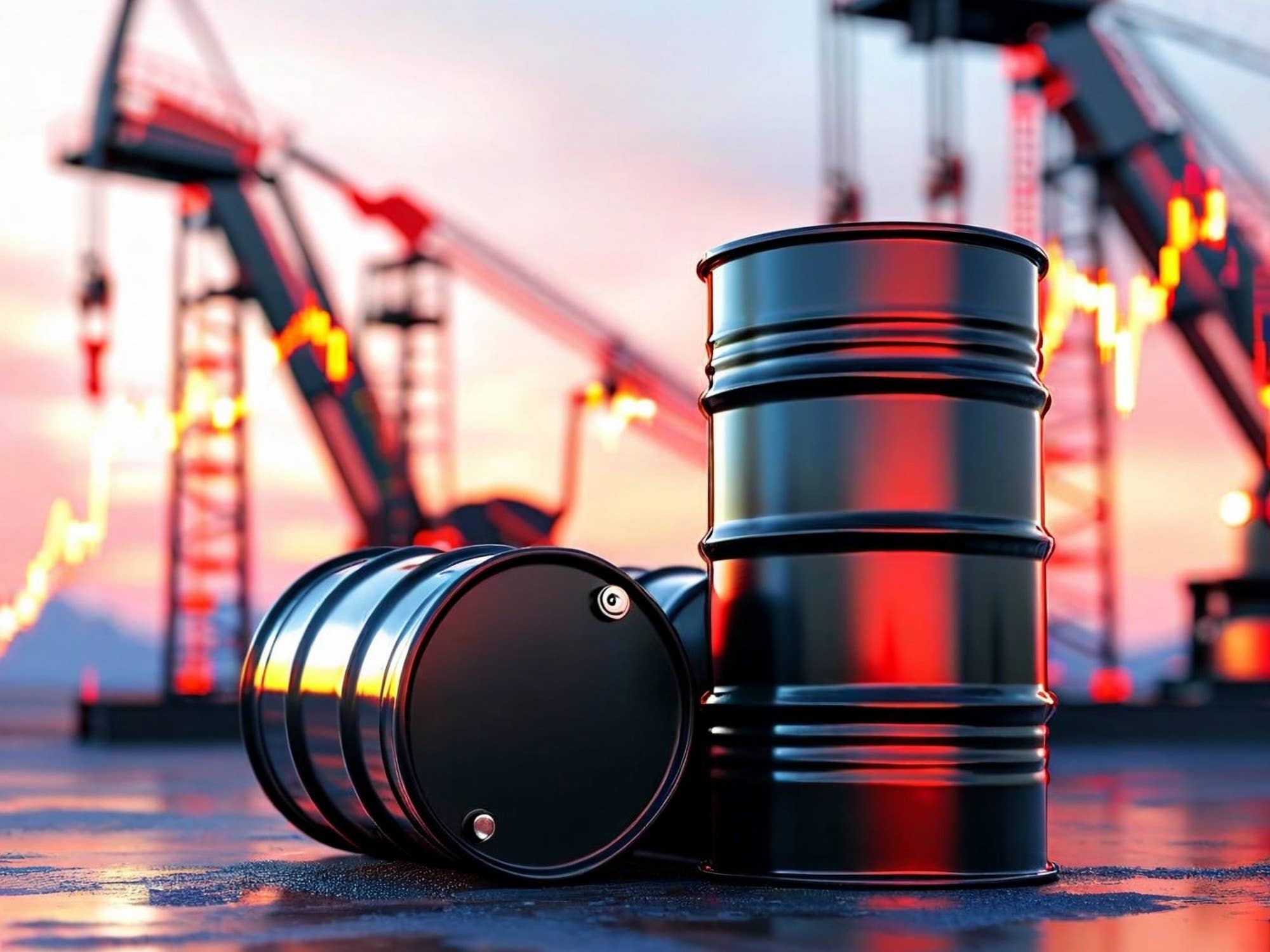
For the first time in years, the price of oil rose above the $100 per barrel mark on Monday night. The last time oil was this expensive was at the start of the Russian war against Ukraine in 2022. This development has affected more than just stock markets.
Anyone driving to the gas station these days is in for a nasty surprise. Fuel prices have risen dramatically, especially for those who rely on diesel. This is due to the war in Iran. The ever-increasing oil price is driving up gas prices at gas stations. Electric car drivers can rejoice (for now). Not only are they environmentally friendly, but they also remain comparatively cheap to drive. However, rising petrol and diesel prices will cause inflation to skyrocket. Electric car owners will not be exempt from the effects.
High Oil Price Drives Up Costs
The consequences of the Iran war go much further for consumers worldwide than you may realize. This is because rising oil prices will most likely result in price hikes across the board. Rising transportation costs, for instance, will be passed on to all kinds of goods. Who knows? We might have to pay a surcharge for postal and parcel delivery services soon as diesel prices rise rapidly. What’s more, plastic and packaging will become more expensive, as will tires, because oil is indirectly required for their production. The same applies to clothing if (non-recycled) polyester is used in the process.
We should also be prepared for the continued rise of food prices. Transportation costs are not the only things rising. Even in agriculture, farmers can expect higher costs:
- More expensive fuel for tractors
- More expensive fertilizer due to energy-intensive fertilizer production
- Rising feed prices
Higher Costs Lead to Wage Pressure
All these drive up costs and therefore result in inflation. Once prices rise, they rarely reverse if costs fall again. In other words, the significantly higher oil price has direct consequences for consumers across multiple levels.
However, wages do not generally rise at the same rate as inflation, and a loss of real wages is almost inevitable. This could lead to new waves of strikes, which will most probably cause municipal costs to jump further.
Flying Will (Obviously) Also Become More Expensive
We haven’t even talked about vacations in this context. After all, it’s not just traveling by car that will become more expensive with higher oil prices. The cost of travel via coach and ferry will also rise. Needless to say, flying will also become more expensive! Major European airlines such as Lufthansa, Swiss, and Austrian Airlines are still refraining from hiking fuel surcharges on tickets. However, the past has taught us that such additional costs could arrive sooner than expected. All those who have already booked their Easter, summer, or fall vacation would be at an advantage.
Incidentally, data for the end of February showed just how much the oil price has risen recently. A few weeks ago, it was still trading at around $70 per barrel. We are currently experiencing an increase of over 50 percent. One of the reasons for the steep rise is the closure of the Strait of Hormuz. The strait between the Persian Gulf and the Gulf of Oman has hardly been used by ships since the start of the US-Israeli attacks.
Iran threatens to attack all ships attempting to pass through the Strait. This places pressure on the global economy. Many shipping companies are currently anchoring their oil tankers off the coast of Oman — fingers crossed, the situation in the Middle East will ease.
Deixe um comentário